THE DIFFERENCE
THE DIFFERENCE
The importance of diversity in first aid training
For the community:
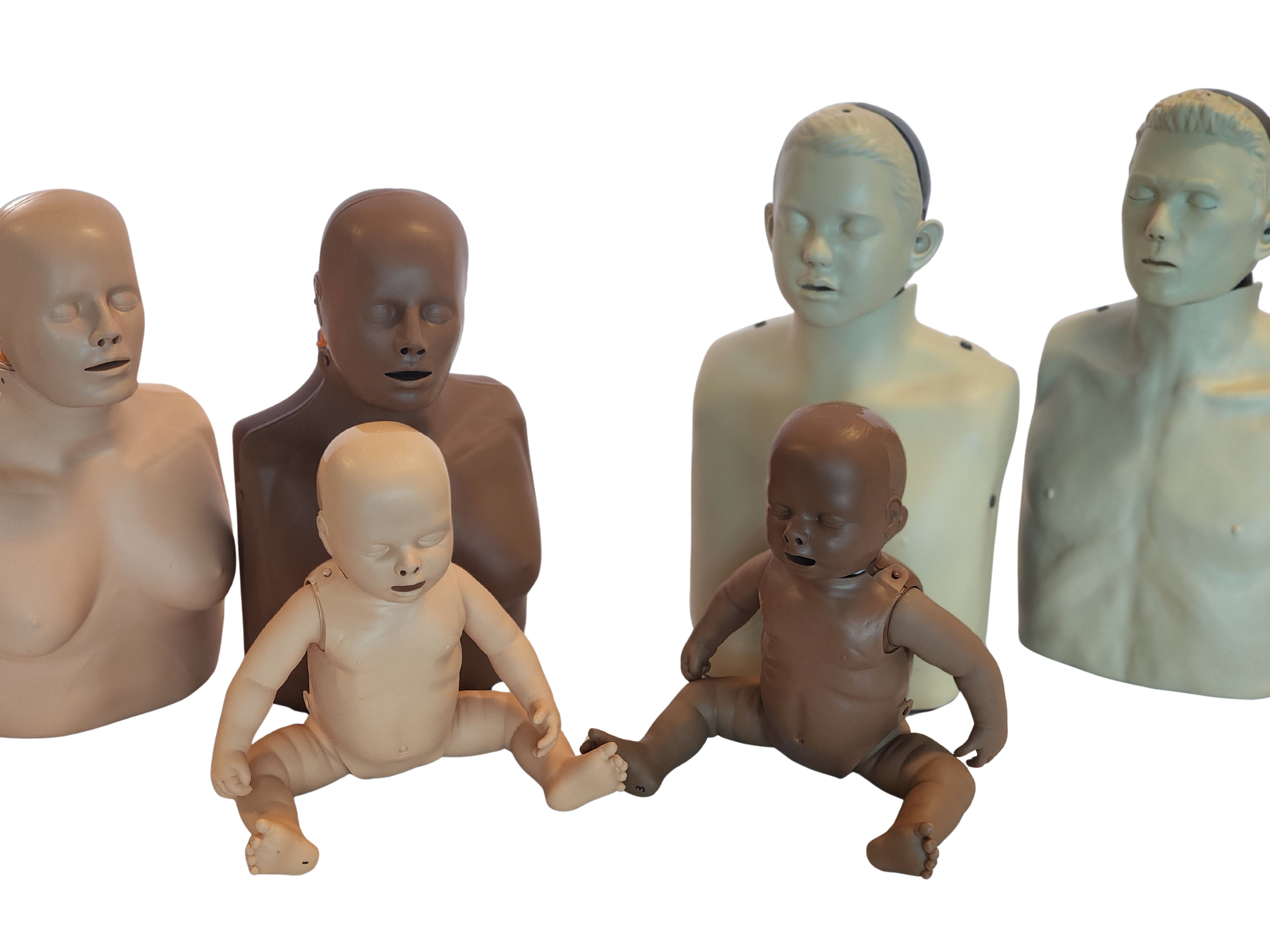
Including diversity in CPR manikins and training scenarios is critical for creating inclusive and effective first aid training. Diverse manikins help challenge unconscious biases, normalize lifesaving care across all demographics and better reflect the communities we live in. Without this representation, learners may be less prepared or hesitant to assist individuals who differ from the standard “default” manikin use in the past, typically light-skinned and male. By integrating diversity into training, we foster confidence, reduce bias and improve real-world outcomes and statistics.
For businesses:
Workplaces are made up of people of different genders, ethnicities, body types and ages. Training with manikins that represent this diversity sends a powerful message that every employee’s life is equally valued, regardless of appearance, gender or background. It aligns with corporate diversity, equity and inclusion commitments.
Research shows people are less likely to administer CPR to women or people of colour due to fear, uncertainty, or bias (https://pubmed.ncbi.nlm.nih.gov/36300973/).
Medical emergencies don’t discriminate; anyone can need CPR. By embracing this, businesses empower their teams to respond to emergencies with confidence, compassion and equity for everyone. It fosters inclusive attitude, builds cultural awareness and helps create an environment where everyone feels seen.
Companies that choose diversity/inclusive training show leadership and innovation in workplace health and safety. This can enhance brand reputation, set new industry benchmarks and positively influence clients, partners and the broader community.